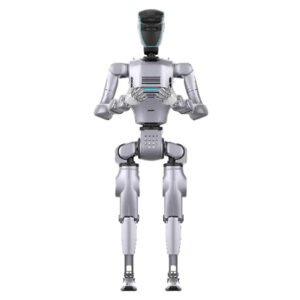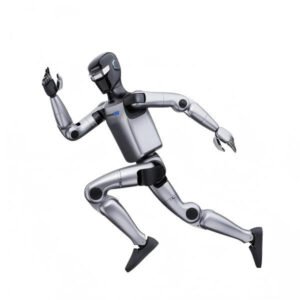
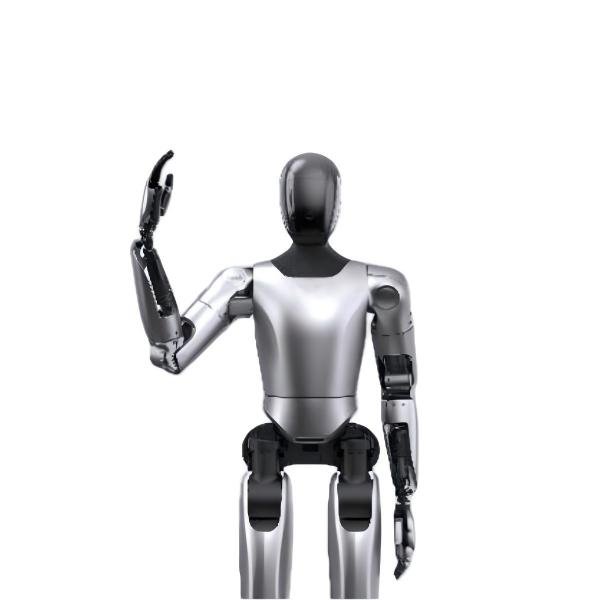
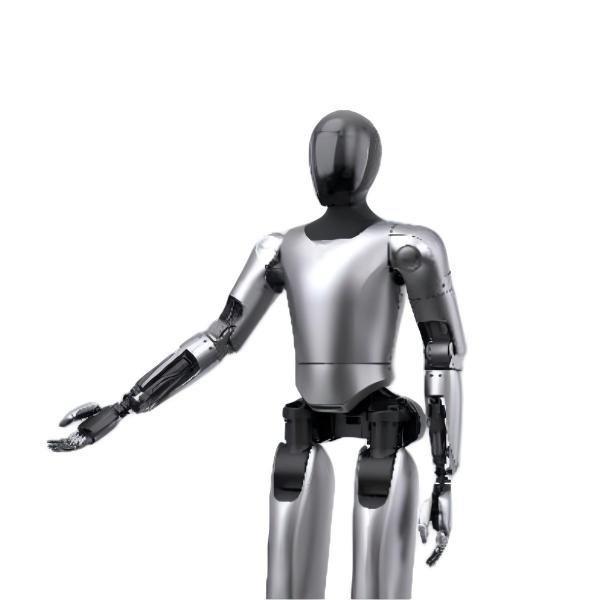
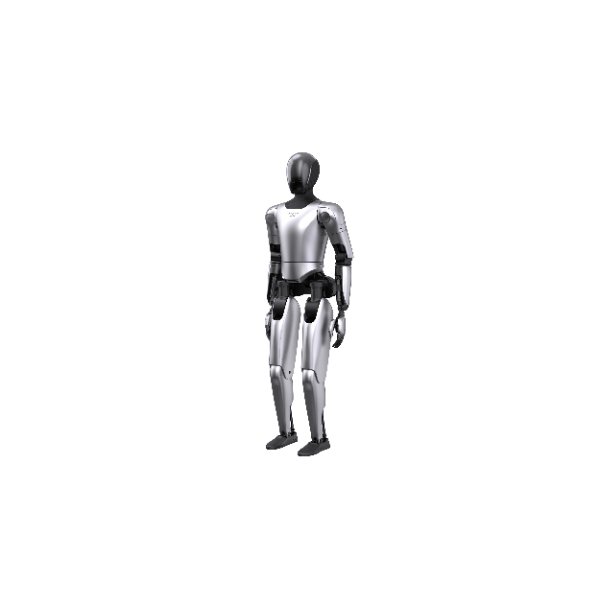
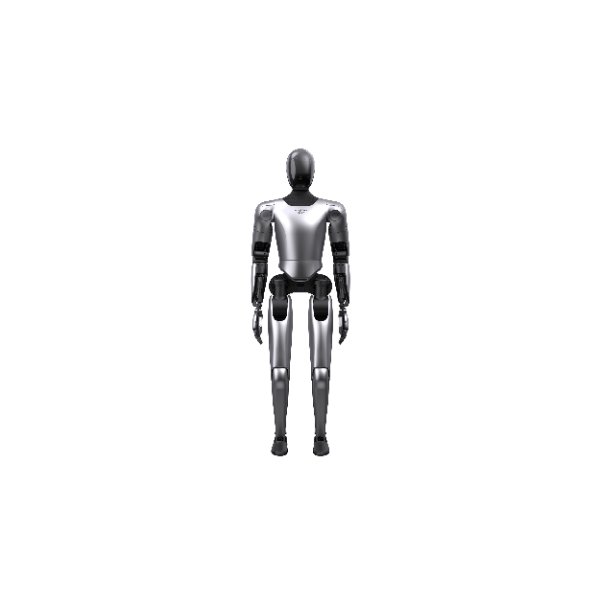
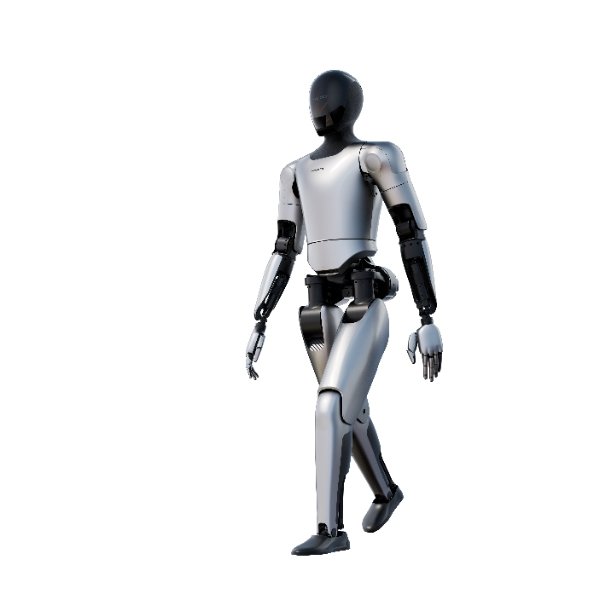
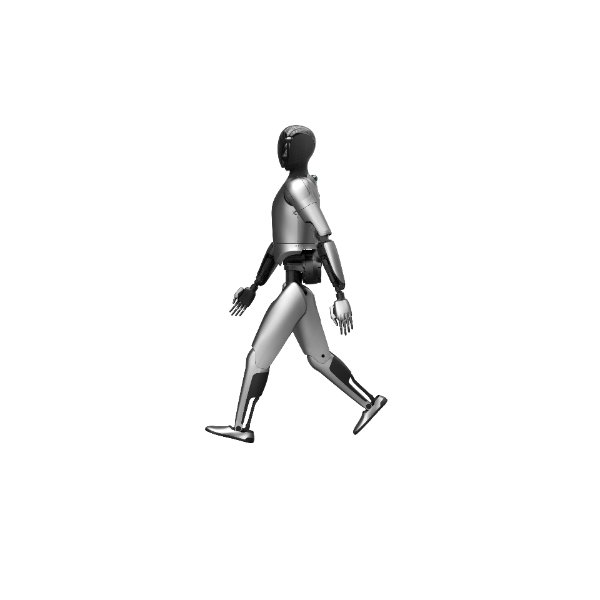
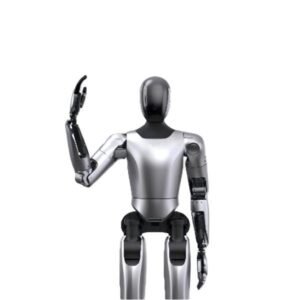
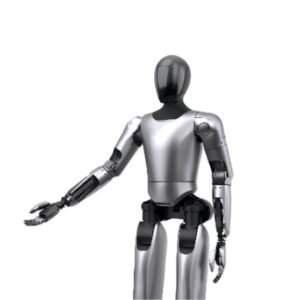
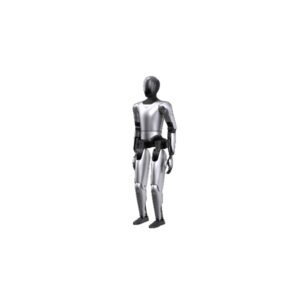
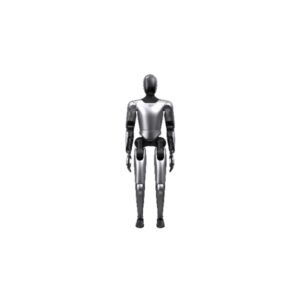
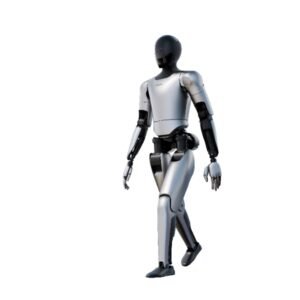
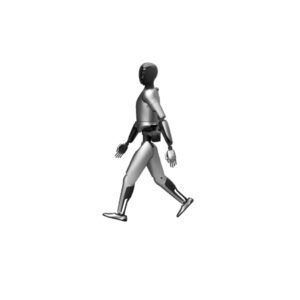
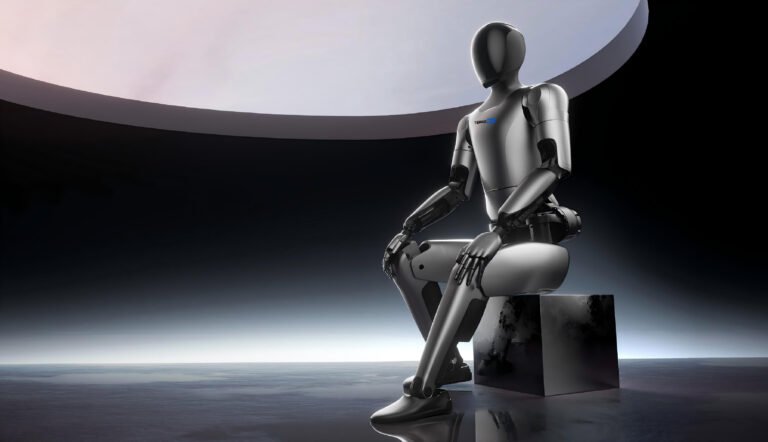
MagicBot Gen1 is a full-size bipedal humanoid robot designed for embodied AI research, intelligent interaction, and advanced robotics development. With a 42-DOF structure, dual-arm coordination, multimodal perception, autonomous navigation capabilities, and open C++ and Python development support, it provides a flexible platform for education, research, exhibition guidance, and intelligent service applications.
Core Highlights
Full-Size General-Purpose Humanoid Robot
MagicBot Gen1 is a full-size bipedal humanoid robot development platform. It measures approximately 1740 × 580 × 280 mm in standing posture and weighs about 70 kg. Its bipedal, dual-arm, dual-hand, and waist-coordinated structure supports humanoid motion, manipulation, perception, and interaction development.
42 Active Degrees of Freedom
MagicBot Gen1 provides 42 active degrees of freedom across the head, waist, dual arms, legs, and hand-related joints. Each arm provides 7 degrees of freedom, while each leg provides 6 degrees of freedom for posture adjustment, dual-arm coordination, bipedal motion, and complex action planning.
High-Torque Joint Drive System
The robot uses low-inertia, high-torque joint motors and reduction systems. Its listed peak joint torque is no less than 350 N·m, with a maximum movement speed of over 4 km/h for walking, turning, posture adjustment, and dynamic motion-control research.
Multi-Robot Collaboration Capability
The supplied materials present multi-robot collaboration as an application direction. It can support task allocation, collaborative control, and complex workflow demonstrations involving multiple robots operating in the same area.
Multi-Sensor Environmental Perception
MagicBot Gen1 can be configured with 3D LiDAR, dual depth cameras, fisheye cameras, joint encoders, and a circular microphone array for environmental perception, spatial recognition, robot status feedback, visual interaction, and navigation development.
Voice and Multimodal Interaction
The robot supports voice commands, chatbot interaction, and intelligent voice-guidance functions. Combined with vision-recognition capability, it can be used for exhibition guidance, visitor reception, technology displays, and human-robot interaction projects.
Technical Specifications
| MagicBot Gen1 | ||
| Category | Parameter | Description |
| Mechanical Parameters | Standing Dimensions | 1740 * 580 * 280 mm |
| Arm Extension Length | 800 mm (Shoulder joint to fingertips) | |
| Thigh + Calf Length | 960 mm (510 mm + 450 mm) | |
| Total Weight | Approx. 70 kg | |
| Material Structure | Main structure: Aluminum alloy; Exterior: Engineering plastic PC+ABS | |
| Reducer | Harmonic drive reducer / Planetary reducer | |
| Maximum Joint Torque | ≥ 350 N·m | |
| Moving Speed | ≥ 4 km/h | |
| Total Degrees of Freedom (DoF) | 42 (Active DoF) | |
| Neck DoF | 2 (Yaw axis * 1 + Pitch axis * 1) | |
| Arm DoF | 7 (Shoulder joint * 3 + Elbow joint * 1 + Wrist joint * 3) | |
| Single Hand DoF | 11 (6 Active DoF, 5 Passive DoF) | |
| Waist DoF | 2 (Yaw axis * 1 + Roll axis * 1) | |
| Leg DoF | 6 (Hip joint * 3 + Knee joint * 1 + Ankle joint * 2) | |
| Electrical Parameters | Model | Jetson Orin NX |
| CPU | Arm® Cortex®-A78AE | |
| Core Count | 8 cores | |
| Threads | 8 threads | |
| Max CPU Frequency | 2 GHz | |
| VRAM | 16G | |
| RAM | 16G | |
| Cache | 2MB L2 + 4MB L3 | |
| Storage | 512G | |
| GPU | Equipped with 32 Tensor Cores, 1024-core NVIDIA Ampere architecture GPU | |
| GPU Max Dynamic Frequency | 918 MHz | |
| High-Performance Neural Accelerator | 3.0 | |
| Instruction Set | 64bit | |
| OpenGL | 4.6 | |
| OpenGL ES | 3.2 | |
| Vulkan™ | 1.1 | |
| CUDA | 11.4 | |
| Perception Sensors | MID-360 3D LiDAR D435 Depth Camera * 2 Fisheye Camera * 3 | |
| Audio Module | Circular microphone array | |
| Accessories | Speaker | Speakers |
| WiFi | WiFi 6 | |
| 4G/5G Module | 5G | |
| Bluetooth | BT 5.2 | |
| Battery Capacity | 25Ah (1.35kWh) | |
| Battery Life | 3-5 hours | |
| Charging Time | 3 hours | |
| Others | Voice Interaction | Voice commands, Chatbot, Intelligent voice guide |
| Traversable Terrain | All-terrain | |
| Visual Interaction | Face recognition | |
| Autonomous Navigation | Yes | |
| Autonomous Obstacle Avoidance | Yes | |
| Map Construction | Manual mapping | |
| Map Management | Yes | |
| OTA Upgrade | Supported | |
| Programming Languages | C++ / Python | |
| API | Robot Main Control Service High-Level Motion Control Service Low-Level Motion Control Service Sensor Control Service Voice Control Service Status Monitoring Service SLAM Navigation Service | |
| Control Devices | Phone (Android & iOS), Tablet (Android & iOS), Controller | |
Applicable Industries
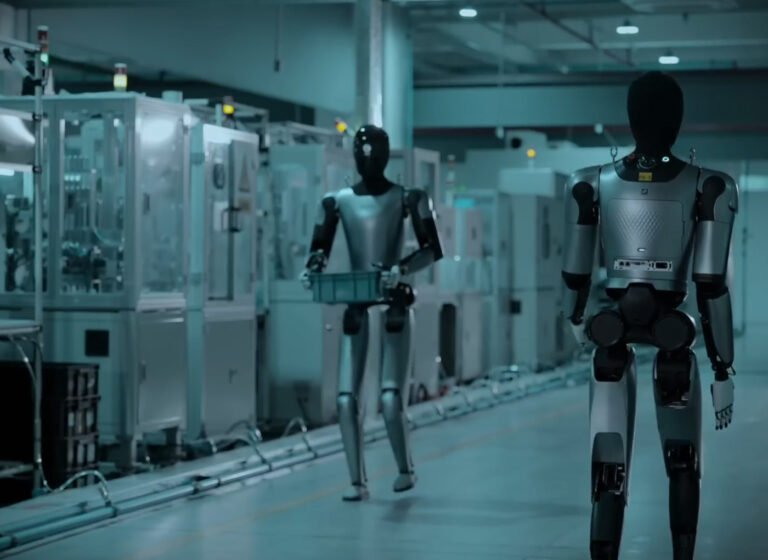
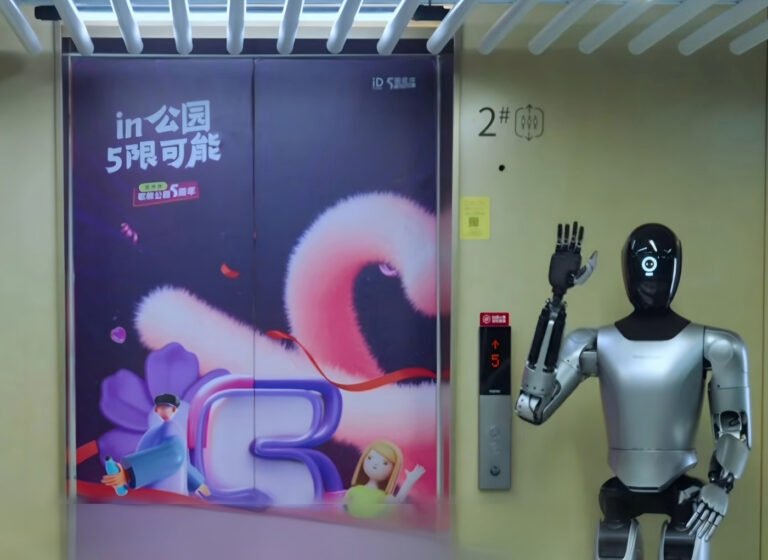
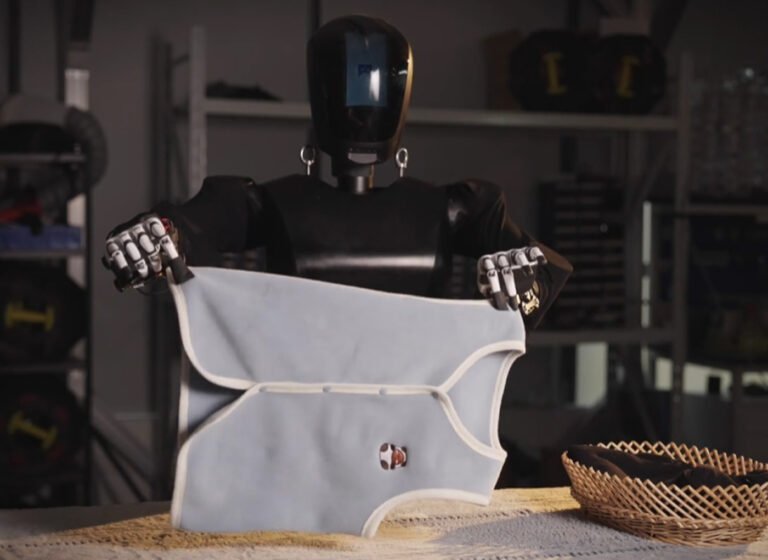
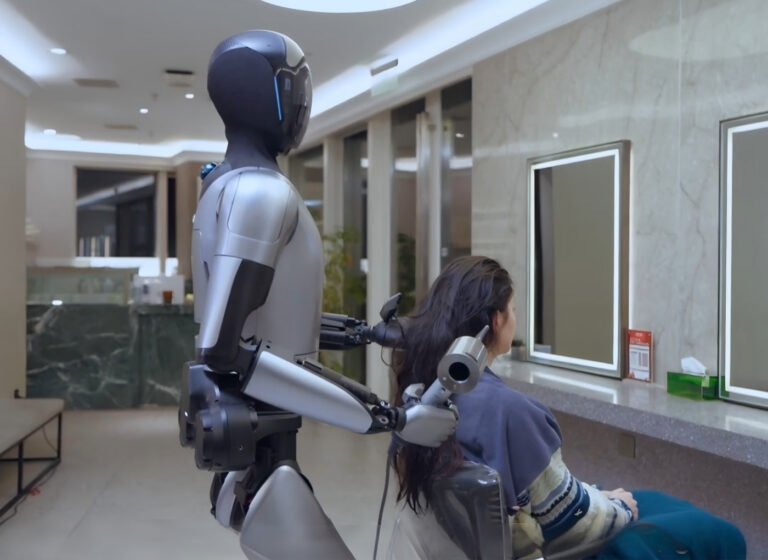
Logistics and warehousing | Services and public venues | Home Services | Commercial Services |
 |  |  |  |
FAQ
Q1:Does MagicBot Gen1 support autonomous navigation?
Yes. MagicBot Gen1 can be used for environmental perception, map building, path planning, autonomous navigation, and obstacle-avoidance development.
Q2:What programming languages are supported?
MagicBot Gen1 supports C++ and Python development for robot body control, motion control, sensor integration, voice interaction, status monitoring, and navigation development.
Q3:Can MagicBot Gen1 be controlled by mobile devices?
Yes. The robot supports operation through smartphones, tablets, and handheld controllers for basic control, status monitoring, and project demonstrations.
Q4:How long can MagicBot Gen1 operate on one charge?
Typical runtime is approximately 3–5 hours. Actual battery life may vary depending on motion intensity, payload, number of active sensors, communication status, and ambient temperature.
Q5:Is MagicBot Gen1 suitable for exhibition guidance and reception?
Yes. Combined with voice interaction, vision recognition, autonomous navigation, and human-robot interaction, MagicBot Gen1 can be used for guidance and reception in corporate showrooms, science centers, museums, education bases, and events.