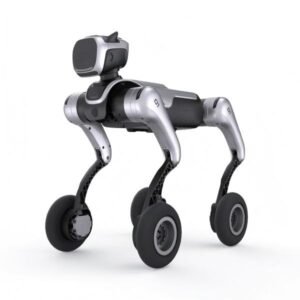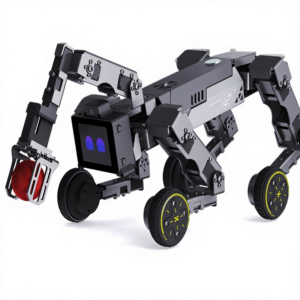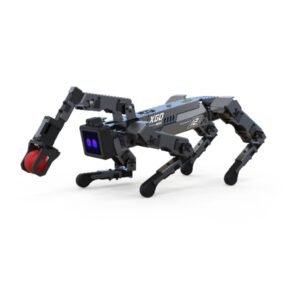
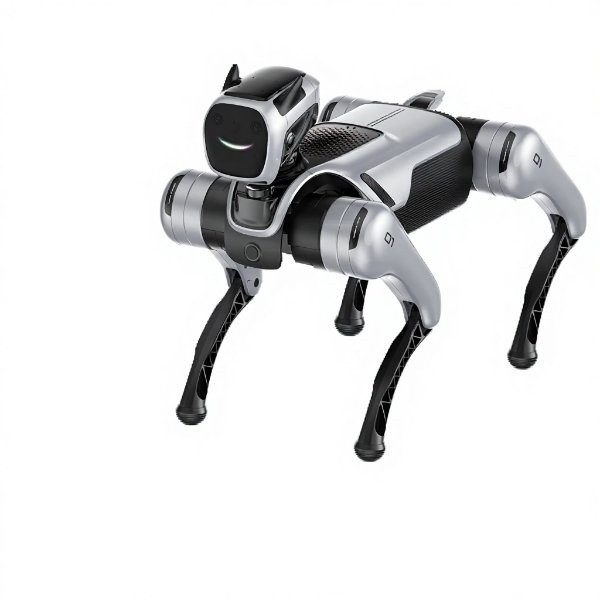
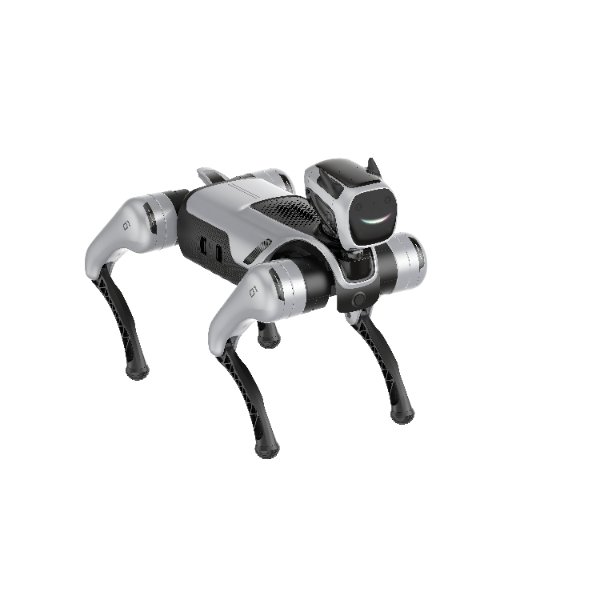
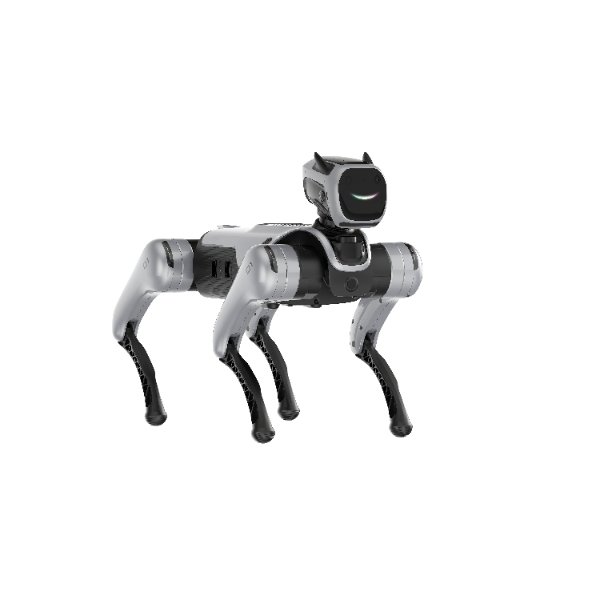
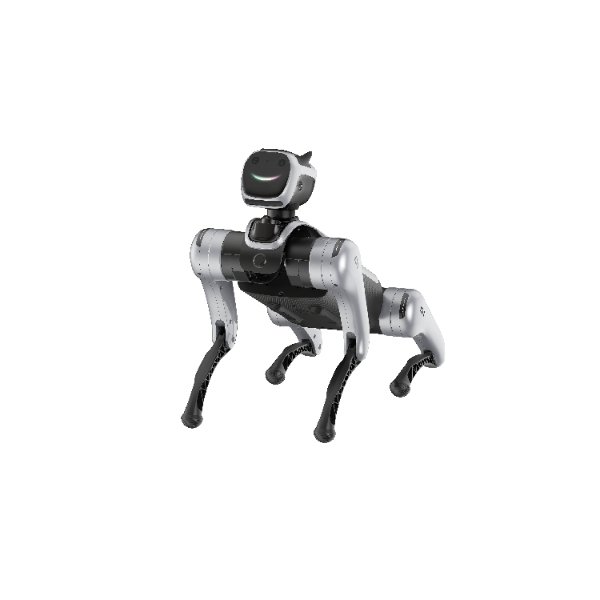
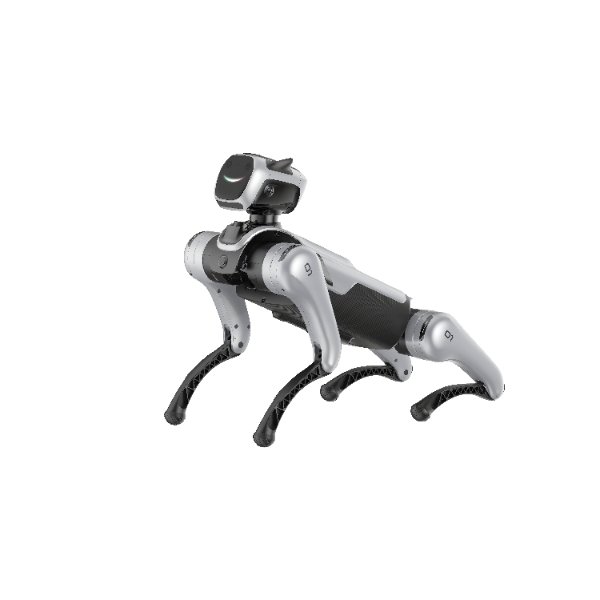
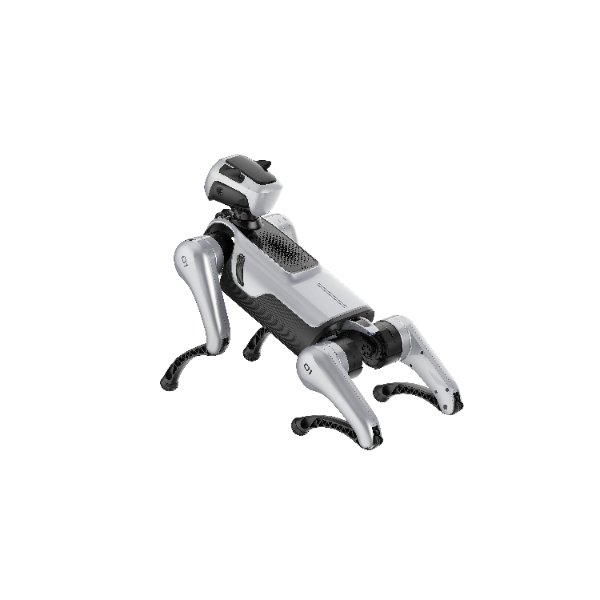
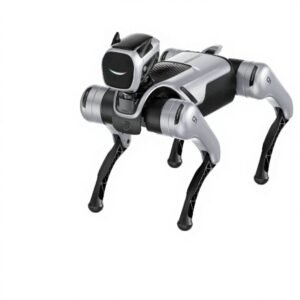
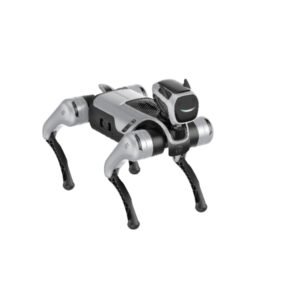
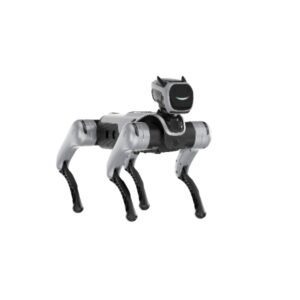
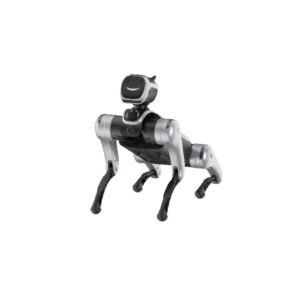
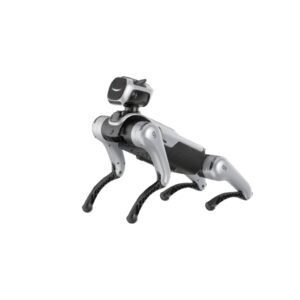
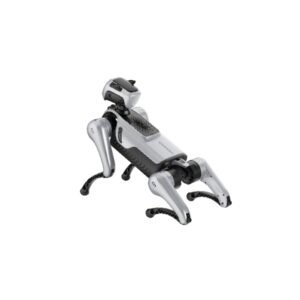
MagicDog combines quadruped locomotion, interactive sensing, camera features, app-style programmability, and developer access. That makes it relevant to schools, robotics clubs, STEM labs, universities, demo spaces, and developers who want a legged robot that is more capable than a toy but less complex than a large industrial quadruped.
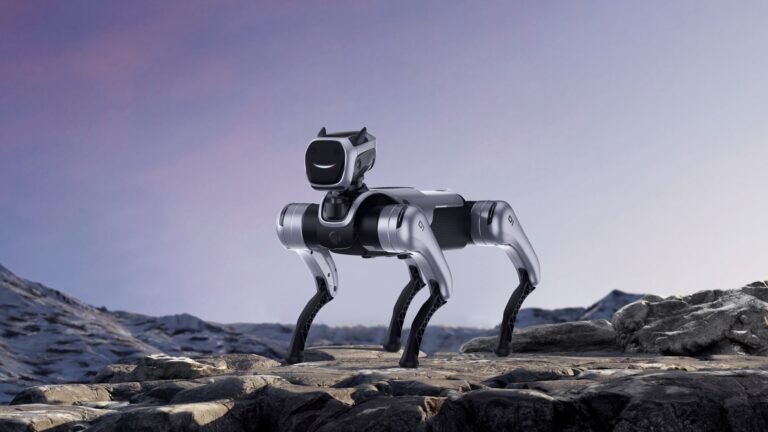
Core Highlights
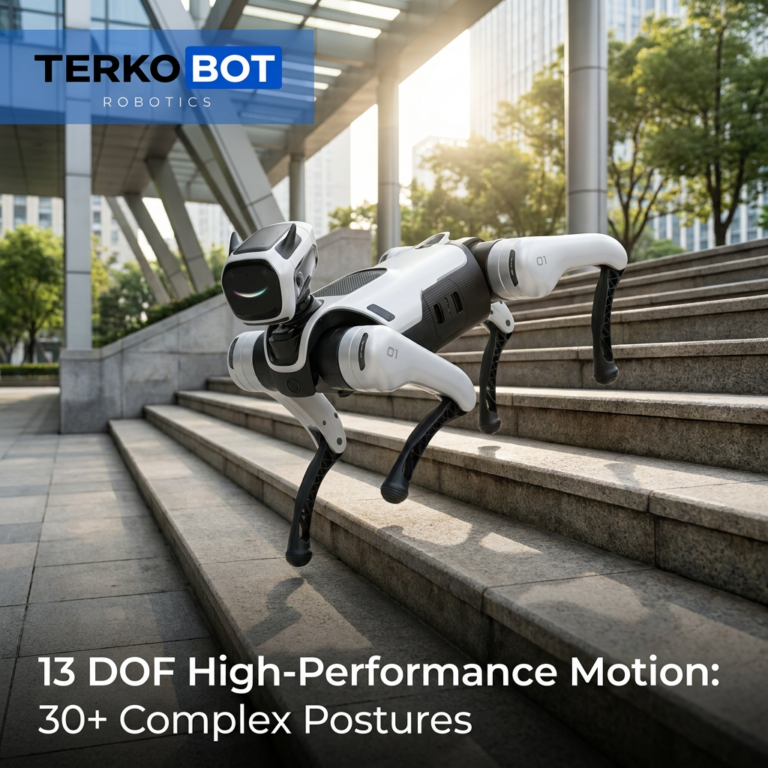
13-DOF High Mobility
Equipped with 13 high-performance degrees of freedom (DOF), the MagicDog offers unparalleled mobility, performing backflips, side-stepping, and complex dances, making it a versatile and agile robot. Custom high-torque motors ensure fluid and powerful actuation across various challenging terrains.
FOC Brushless Hub Motor Drive
The four foot ends use FOC brushless hub motors. Combined with leg joint movement, the robot supports wheel propulsion, posture adjustment, and hybrid motion control. The direct-drive structure reduces gear transmission components for flexible start, stop, and motion response.
Secondary Development
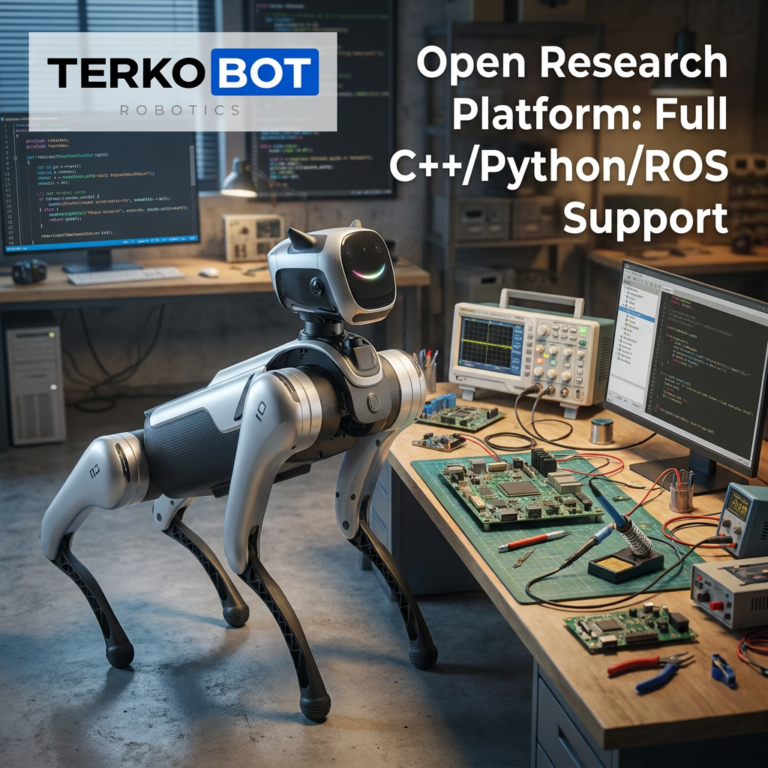
Supporting ROS2 and Python, MagicDog offers a robust SDK for deep secondary development. Users can easily implement custom algorithms and integrate third-party sensors via open APIs with comprehensive documentation.
SAGE AI Interaction
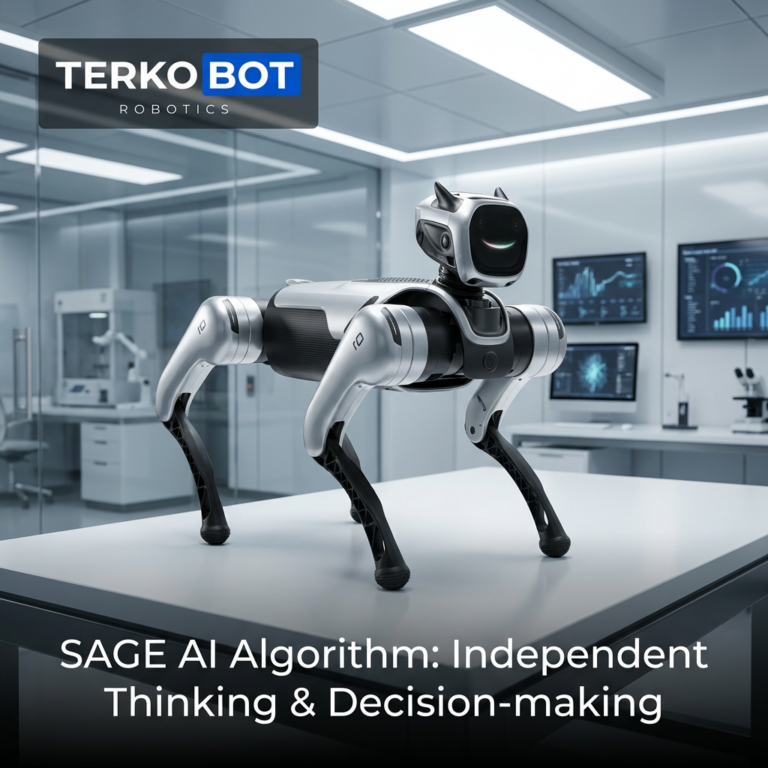
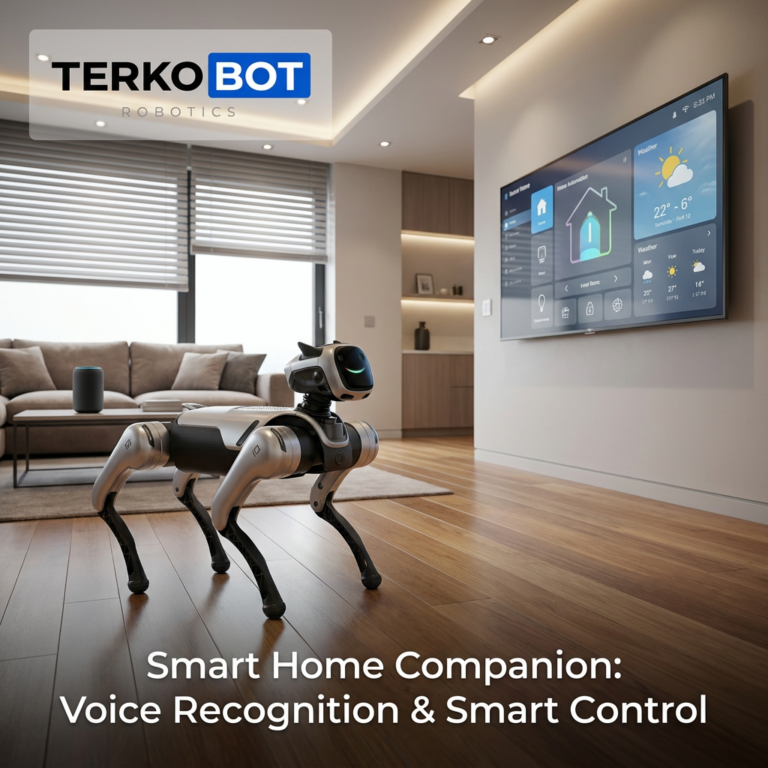
MagicDog features the advanced SAGE AI interaction system, enabling it to perceive human gestures, facial expressions, and voice commands with high precision, greatly enhancing interactive experiences for all users. This intelligent core allows for seamless human-robot collaboration in exhibition and education scenarios.
Sensor Fusion
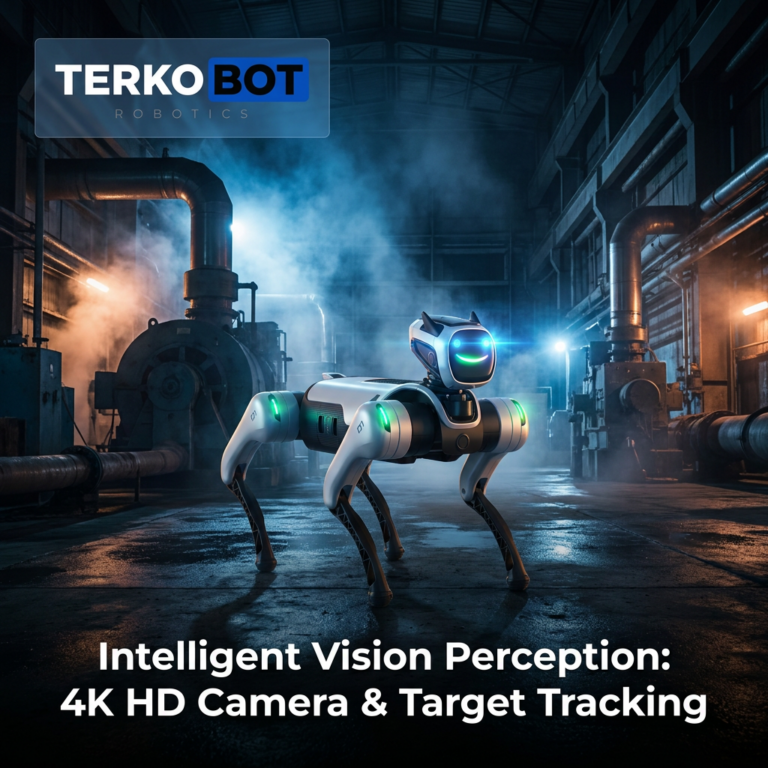
The integration of high-precision LiDAR and 4K camera provides superior spatial awareness. Advanced sensor fusion algorithms construct real-time 3D maps and identifies obstacles with high accuracy for autonomous navigation. This hardware suite supports sophisticated SLAM and autonomous path planning.
Technical Specifications
| Parameter | Specification |
| Model | MagicDog EDU |
| Dimensions | 650mm x 310mm x 600mm |
| Weight | 15.8kg |
| Max Speed | 3.0m/s |
| Max Payload | 10kg |
| Battery Life | 1.5 – 3.0 hours |
| DOF | 13 Joints |
| Sensors | 3D LiDAR, 4K Camera, Stereo Camera |
Applicable Industries
| AI Algorithms | Motion Performance | Visual Perception | Secondary Development |
 |  |  |  |
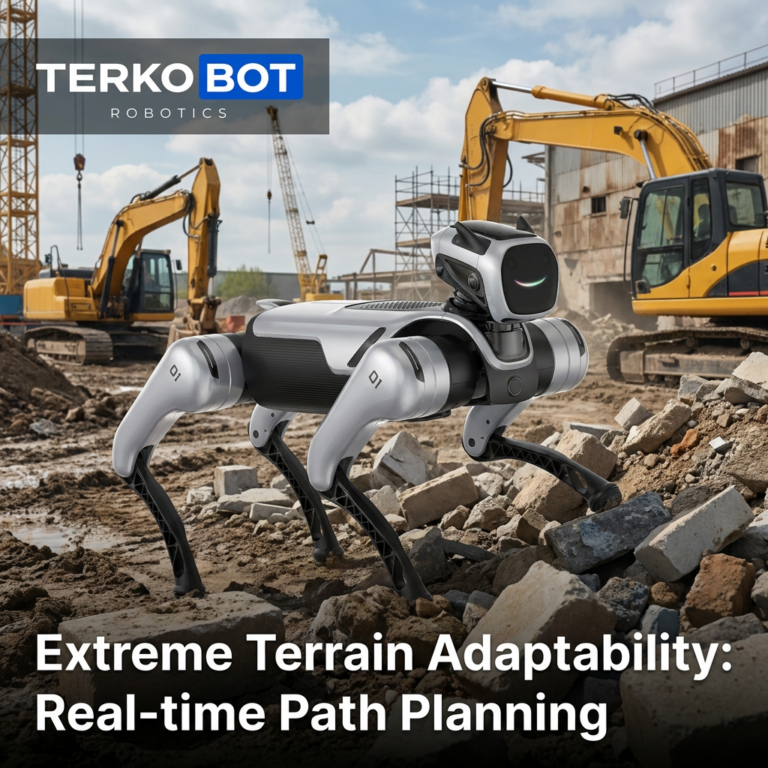
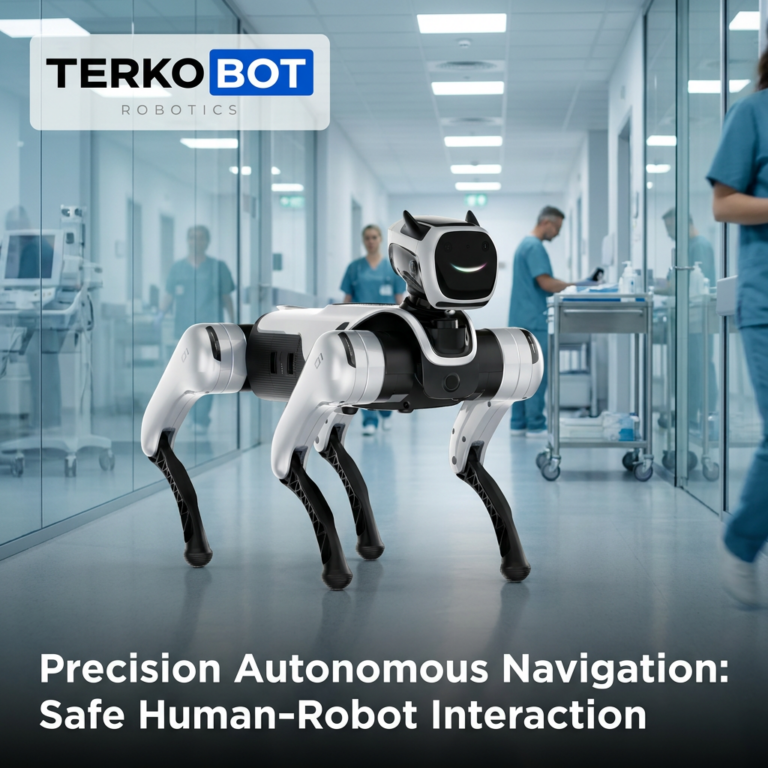
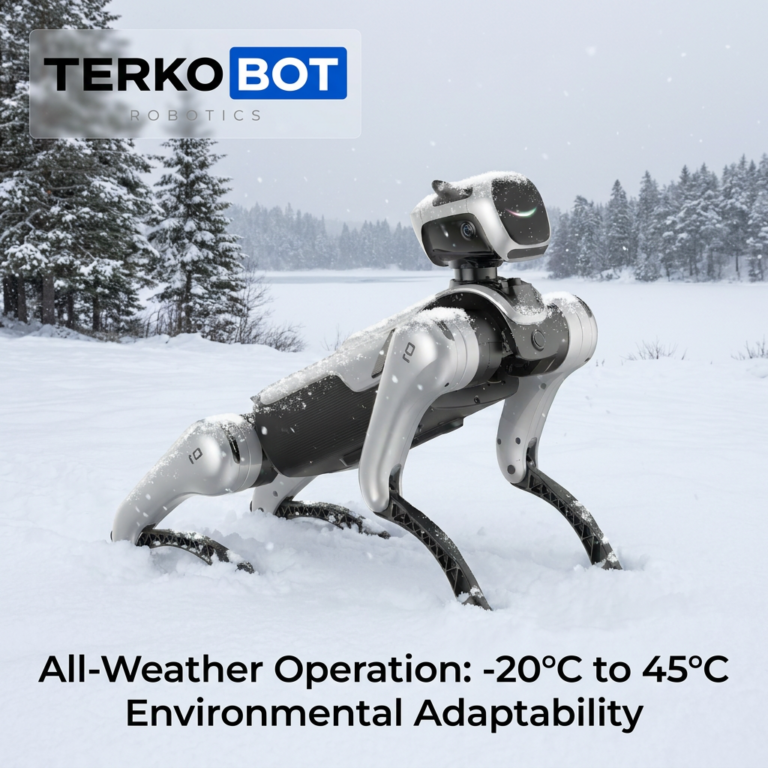
| Smart Home | Construction Sites | Healthcare | Snowy Environments |
 |  |  |  |
FAQ
Q1:How does the MagicDog maintain stability on extremely low-friction surfaces like wet tile or ice?
The MagicDog utilizes a combination of active impedance control and high-frequency IMU feedback. The SAGE AI controller monitors the slippage of each foot via motor current and encoder data. When a slip is detected, the robot instantly redistributes its weight and adjusts the joint stiffness of the remaining legs to maintain its center of gravity, a process that happens in less than 5ms.
Q2:Can the robot be controlled remotely over long distances, and what is the latency?
Yes, the MagicDog supports teleoperation via Wi-Fi 6, 5G, or specialized radio links. When using 5G, the control latency is typically under 30ms. We provide a web-based control dashboard and a professional joystick interface that supports real-time 4K video streaming from the robot’s perspective.
Q3:Does the secondary development platform support NVIDIA Isaac SDK and other AI frameworks?
Absolutely. The pre-installed Ubuntu environment is fully compatible with NVIDIA Isaac SDK, TensorFlow, PyTorch, and OpenVINO. The back-mount expansion rail is designed to house an NVIDIA Jetson Orin module, which can directly interface with the robot’s sensor streams for on-edge AI inference.
Q4:How does the sensor fusion handle environments with a lot of glass or mirrors?
Standard LiDAR often fails with glass. The MagicDog solves this by fusing LiDAR with stereo vision and ultrasonic sensors. The stereo cameras use disparity-based depth sensing which can ‘see’ the glass surface, while the ultrasonic sensors provide a secondary check for transparent obstacles at close range.
Q5:What is the MTBF (Mean Time Between Failures) for the Vortex-II actuators?
The Vortex-II actuators are rated for an MTBF of 10,000 hours. They feature modular designs that allow for individual joint replacement in under 15 minutes, ensuring that maintenance can be performed on-site with minimal downtime for your robot fleet.